Save fuel if you practice these tips from MDPPA
As both a motorcycle rider and a driver, I’m often asked by friends how they can make their cars or SUVs more fuel-efficient and cut down on fuel costs, which is a very relevant concern, especially now that pump prices of fuel have more than doubled due to the ongoing US-led conflict in the Middle East.
My answer is always simple: 1) ride a scooter, or 2) ride a bicycle.
Since not all are physically fit to ride a bicycle for at least 20-30 kilometers under the scorching heat of the sun, riding a scooter or similar small-displacement motorcycle has always been the more practical choice.
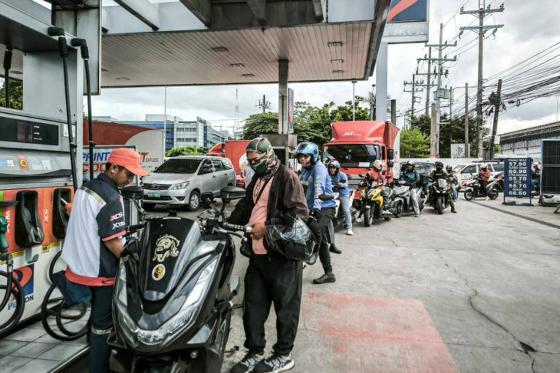
These motorcycles, when ridden with discipline and under ideal conditions, are capable of exceeding 100 kilometers per liter. I experienced this firsthand during the Yamaha Sight SAFE Run in Legazpi City in 2019, where I recorded a personal best of 112.26 km/L. At the same event, Miguel Ocinar set an even higher benchmark, achieving an impressive 147.46 km/L fuel efficiency.
Our friends from the Motorcycle Development Program Participants Association (MDPPA) are encouraging riders to practice the same disciplined riding habits to maximize every drop of fuel, especially during these challenging times when rising fuel prices consume a significant portion of daily earnings for many riders across the country.
According to the MDPPA, there are seven key practices riders can adopt to help reduce fuel consumption, habits that, when consistently applied, can translate into meaningful savings even during periods of rising fuel prices.
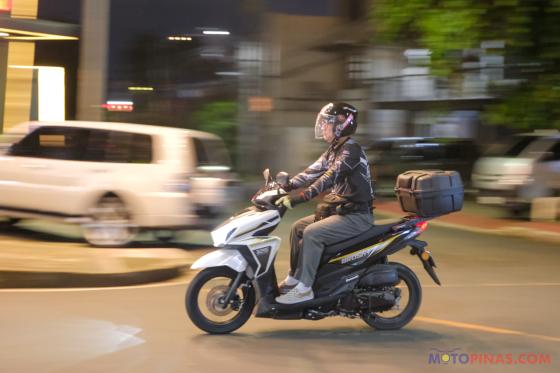
Ride smooth and steady
Avoid hard acceleration and sudden braking. A steady throttle and early deceleration help the engine run more efficiently and save fuel. In other words, don’t be a resing-resing kamote. You’re not Valentino Rossi, and no one’s impressed by speeding on public roads.
Keep your motorcycle in top shape
Regular tune-ups, oil changes, and proper chain adjustment improve combustion efficiency and prevent unnecessary fuel loss.
Don’t idle unnecessarily
Idling burns fuel without moving you forward. Turn off your engine during long stops or heavy standstill traffic to avoid wasting fuel.
Always check tire pressure
One of the most commonly overlooked habits among riders is maintaining proper tire pressure. Underinflated tires increase rolling resistance, forcing the engine to work harder and consume more fuel. Keeping tires at the correct pressure improves fuel efficiency, enhances handling, and boosts overall safety. For the recommended tire pressure, refer to your motorcycle’s owner’s manual or check the manufacturer’s label, usually found on the swing arm on underbones or near the floorboard on scooters.
Lighten the Load
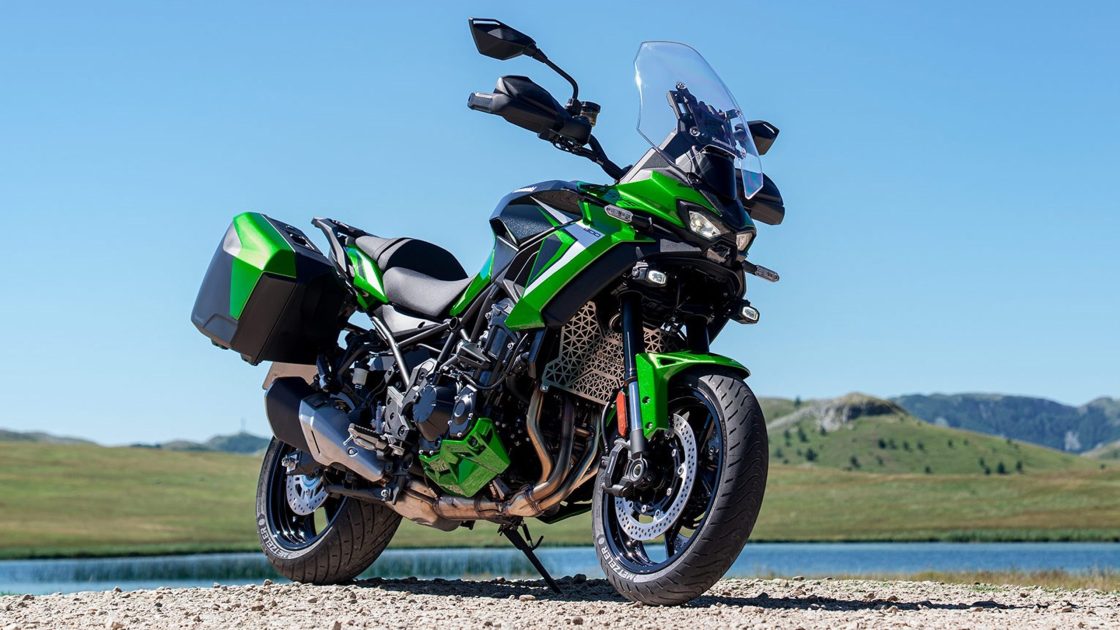
Extra weight means extra fuel consumption. Carry only what you need, meaning less load = better fuel efficiency. Avoid keeping panniers installed when they’re not needed for city riding, and remove any unnecessary accessories or items that only add weight and drag to your motorcycle or scooter.
Use the right fuel grade
Stick to the manufacturer’s recommended fuel, as most small-displacement motorcycles and scooters are designed to run efficiently on 91 RON unleaded gasoline. It’s also slightly cheaper than 95 RON premium fuel. Higher octane does not translate to better fuel economy if your engine (NOT high compression) isn’t built to require it.
Plan your rides smartly
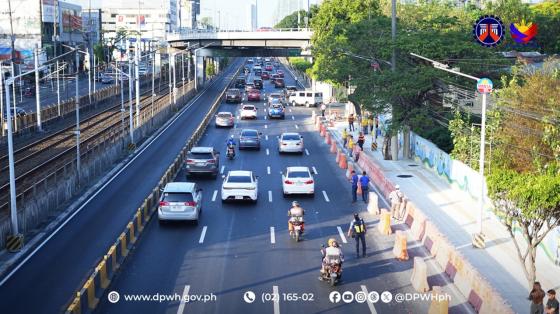
Combine errands, avoid traffic-heavy routes, and ride during off-peak hours to reduce stop-and-go conditions and save both fuel and time.
If I may add, and I personally think this is much better: avoid riding or driving if you can. I mean, it’s already 2026, and technology can be our best friend. If your employer offers flexible work arrangements, such as work-from-home, take advantage of them. Not only do you save on fuel during these challenging times, but you also help reduce emissions and ease traffic by being one less vehicle or motorcycle off the road.
Just hold on—this crisis, too, shall pass.