EV incentives, mandates not enough to shift motorcycle riders, says India experts
Government incentives and electric vehicle mandates may not be enough to convince motorcycle riders to switch from gasoline-powered two-wheelers, according to experts and industry executives in India.
The issue was discussed at the India Clean Transportation Summit 2026, where industry representatives pointed to vehicle prices, financing, charging infrastructure, and battery swapping as key barriers to wider electric two-wheeler adoption.
The discussion comes as Delhi prepares to implement its 2026 EV policy, which will allow only electric two-wheelers to be newly registered in the city starting April 2028.
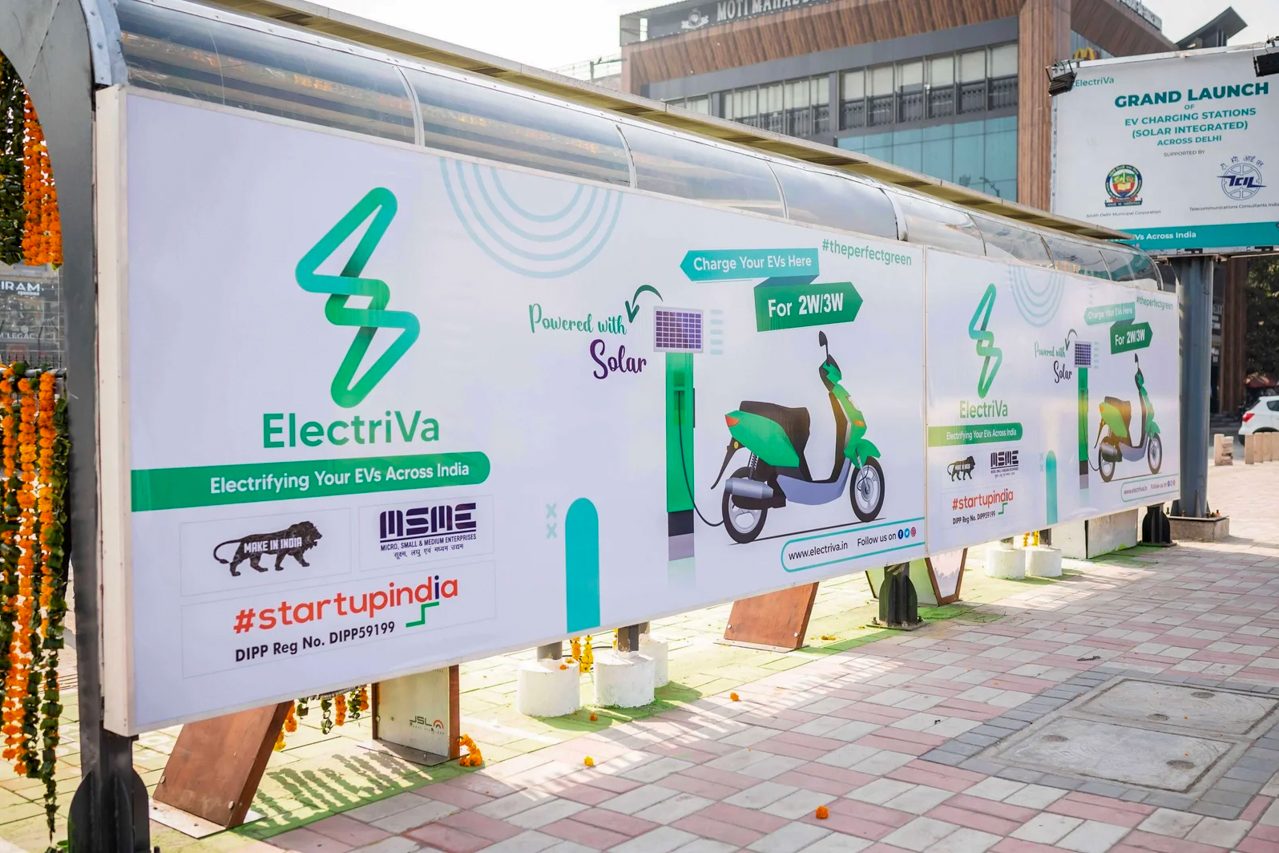
While incentives can help reduce the purchase price, experts said the upfront cost of electric motorcycles remains a concern. Financing is another factor, with EV buyers potentially facing shorter loan periods and higher monthly payments compared with buyers of conventional motorcycles.
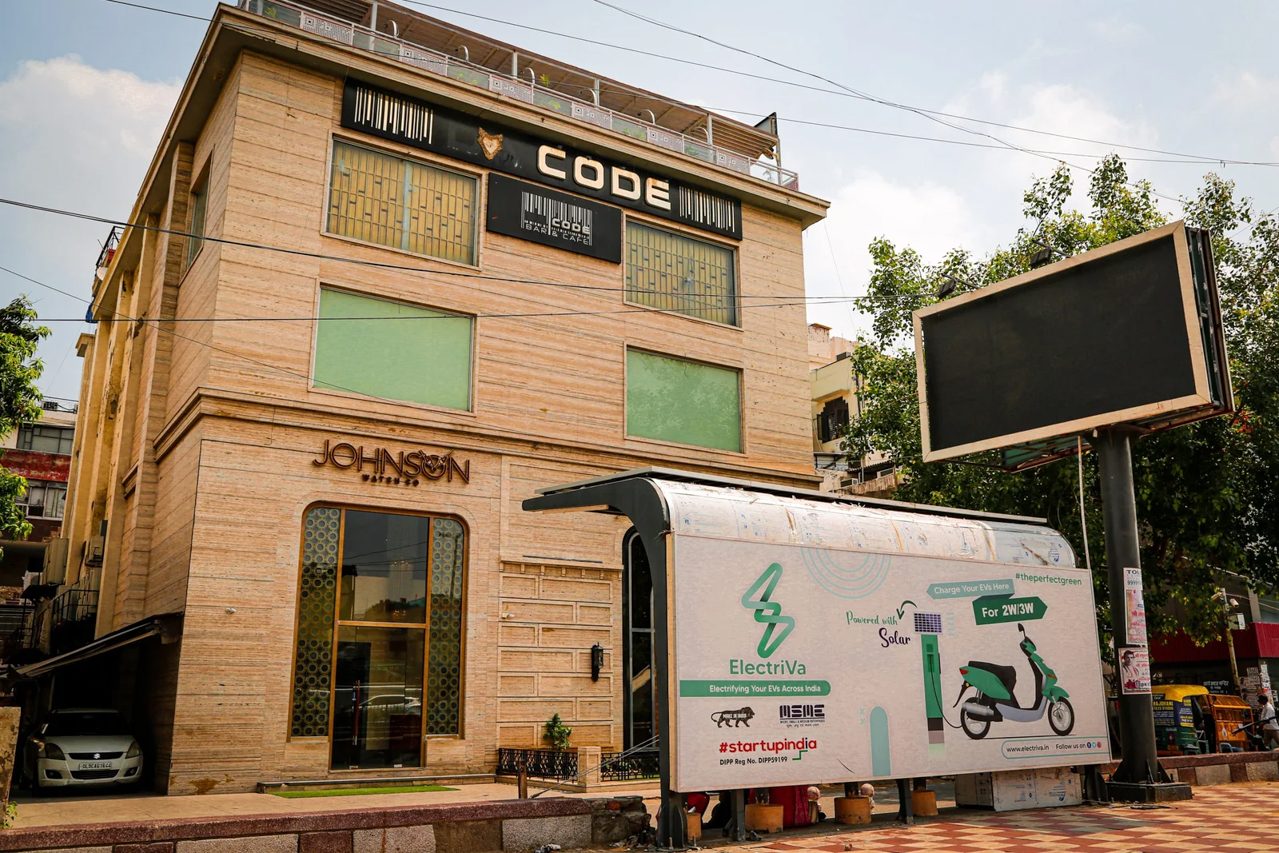
Charging infrastructure is also a major consideration. Riders who can charge at home may find an electric motorcycle convenient, but the situation is different for those living in apartments, boarding houses, or other locations without dedicated parking and access to electricity.
Battery swapping could provide an alternative, particularly for delivery riders and other high-mileage users. However, India’s industry also faces compatibility issues between different battery-swapping systems.
Similar challenges in the Philippines
Many of the same issues are relevant in the Philippines, where electric motorcycles and scooters remain a small part of the overall two-wheeler market.
The country has been expanding its EV charging network, but infrastructure remains limited. The Department of Energy (DOE) reported 1,774 EV charging stations nationwide as of June 2026.
For electric two-wheelers, publicly accessible charging infrastructure remains limited, with most owners still expected to charge at home. Some reports also point to regulatory and other challenges that could slow investment in charging facilities specifically designed for electric motorcycles and scooters.
This can be a concern for riders who cannot conveniently charge at home, particularly those who use their motorcycles for work or travel long distances each day.
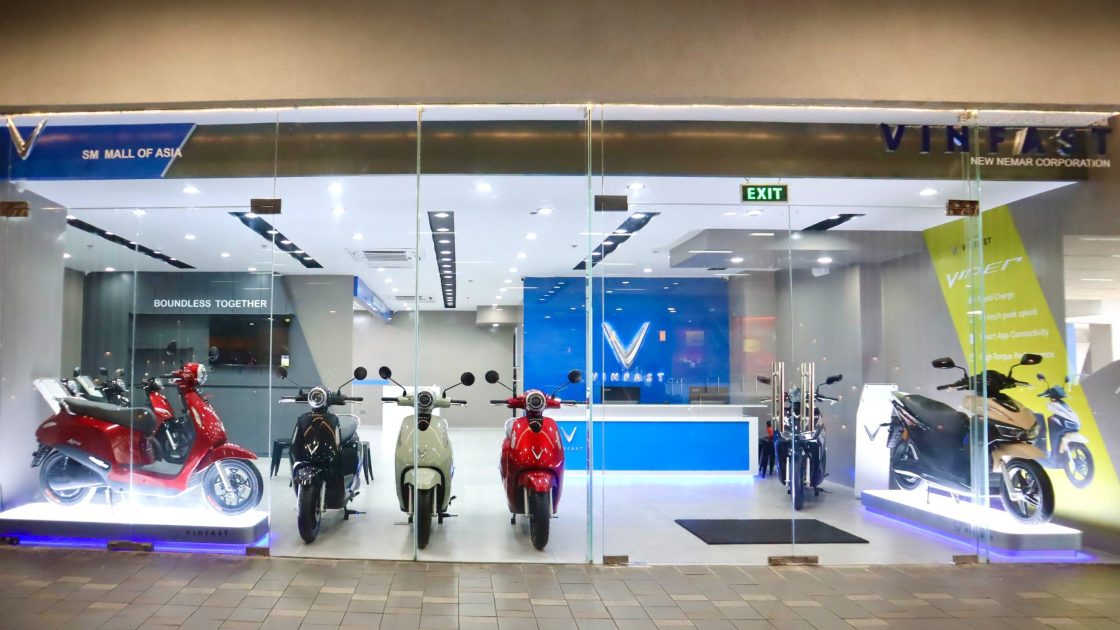
Price is another factor. While electric scooters and motorcycles are available in the Philippines at different price points, many remain more expensive than comparable gasoline-powered models.
For many motorcycle buyers, internal-combustion engine (ICE) two-wheelers remain the more practical choice. Gasoline stations are readily available, refueling takes only minutes, and established brands have extensive dealer, parts, and service networks.
India’s experience shows that incentives and regulations are only part of the equation when it comes to increasing electric two-wheeler adoption, and for electric motorcycles to become a mainstream alternative in the Philippines, buyers also need affordable models, accessible financing, convenient charging or battery-swapping options, and a support network comparable to what is already available for fossil fuel-burning motorcycles.