The PHP 30 question: Why some riders must pay to enter Infanta, Quezon
There’s a running joke among both foreign and local tourists that the country should be called the “FEElippines” instead of the Philippines. The reason is that almost everywhere you go, there’s a fee waiting for you. Need to use a public restroom? Pay a few pesos. Taking a Ro-Ro with your motorcycle? Expect terminal fees, cargo fees, and other charges. Heading to a beach or tourist destination? There’s a tourism fee, environmental fee, or other LGU fees waiting at the entrance.
Even leaving the country comes with a bill. Before boarding an international flight, travelers are required to pay a PHP 1,620 travel tax, which climbs to PHP 2,700 for first-class passengers.
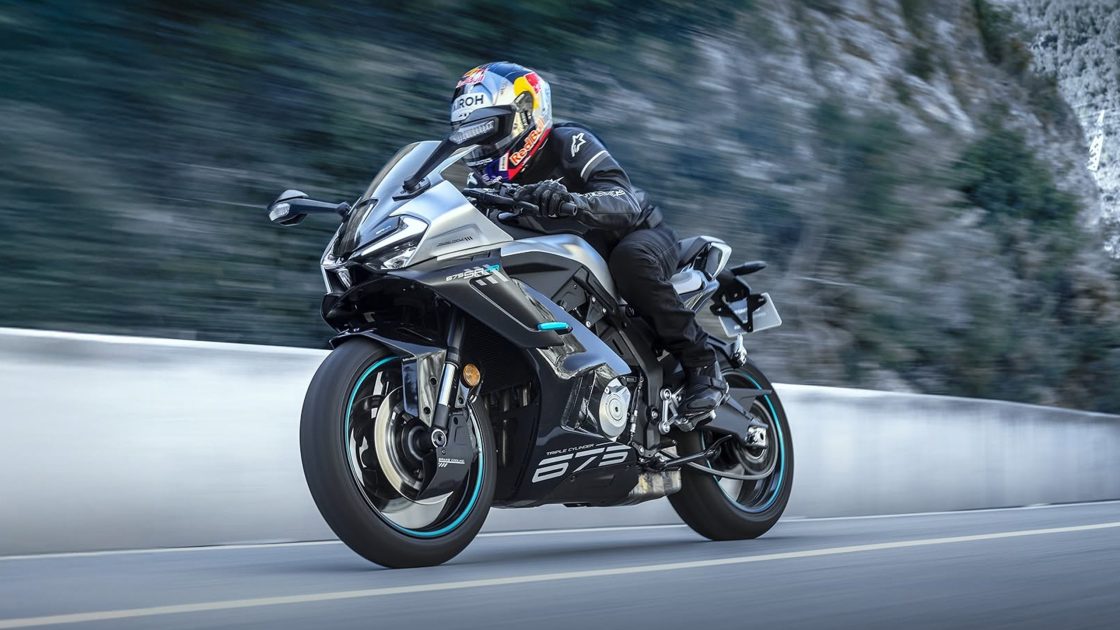
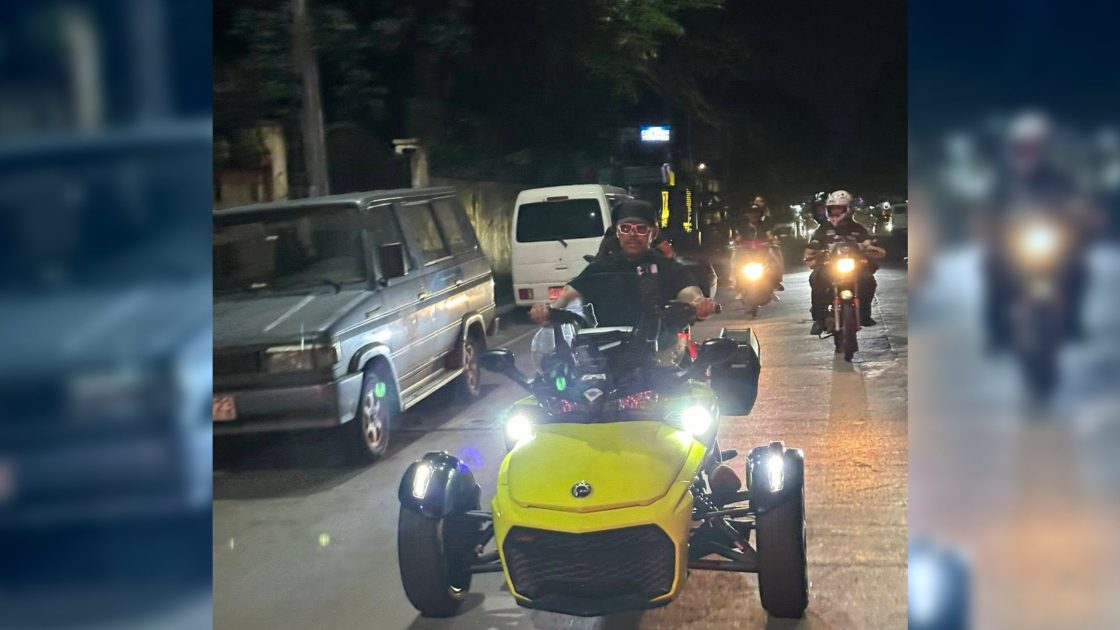
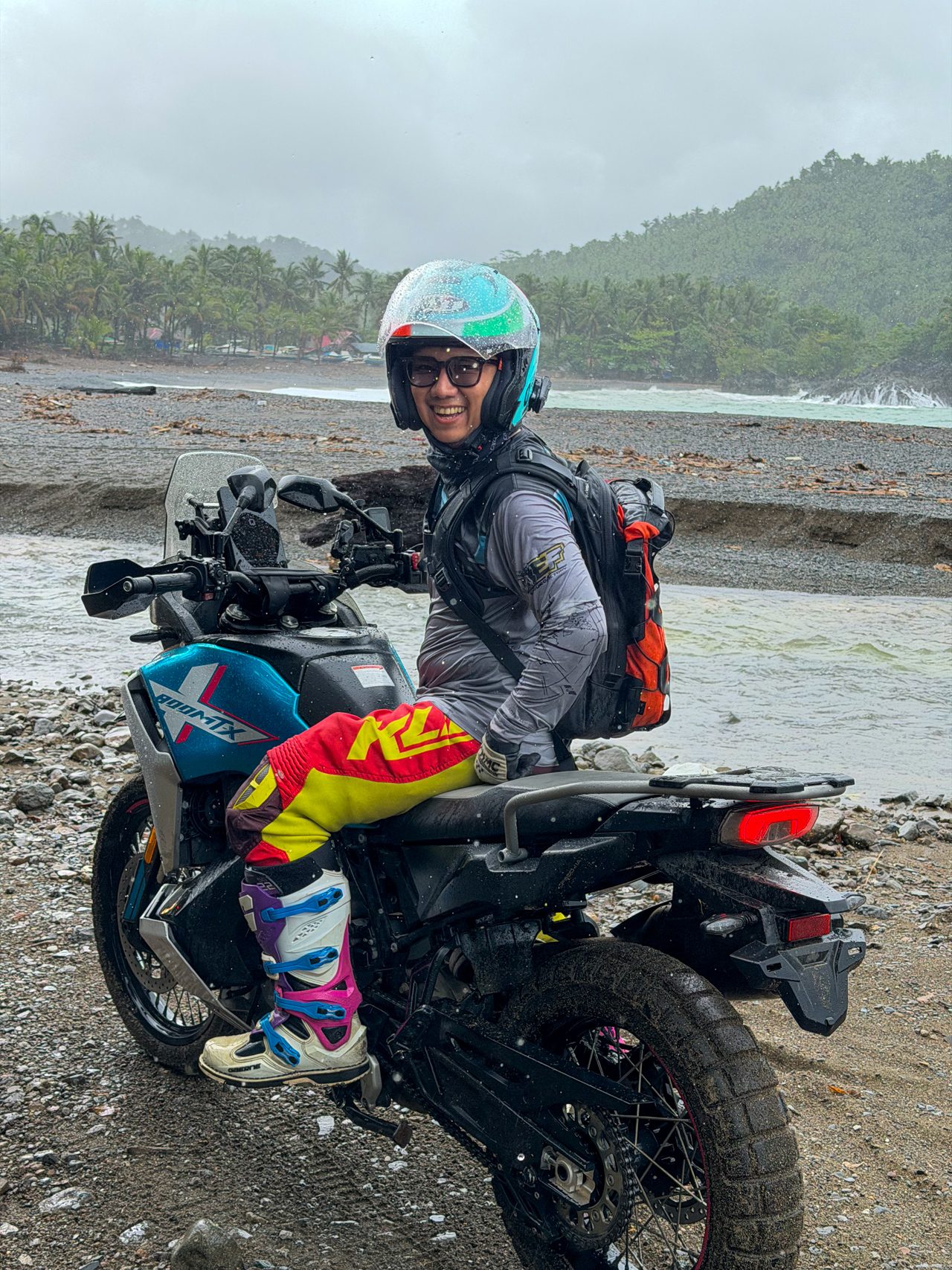
Now, some riders are asking if the same fee culture is creeping onto public roads. Riders who frequent MARILAQUE have recently voiced frustration over what they claim are unnecessary charges imposed on travelers. According to several accounts circulating online, even riders who are merely passing through or stopping for a quick coffee and a ride through the twisties, are being required to pay a PHP 30 Environmental User’s Fee, per person, by the Municipality of Infanta, Quezon.
To get both sides of the story, MotoPinas reached out to the Infanta, Quezon Culture, Heritage, Arts and Tourism Section for clarification.
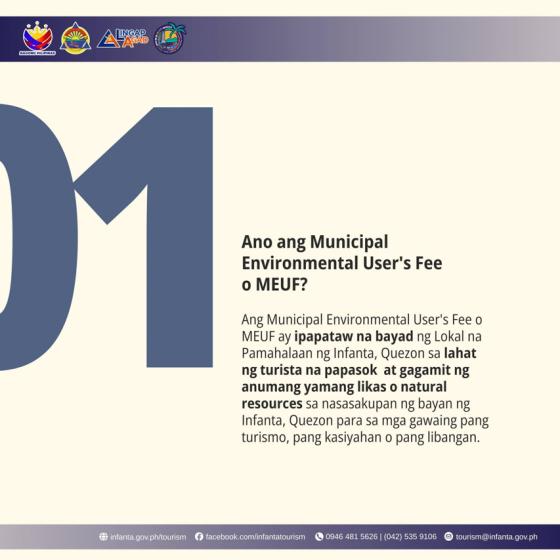
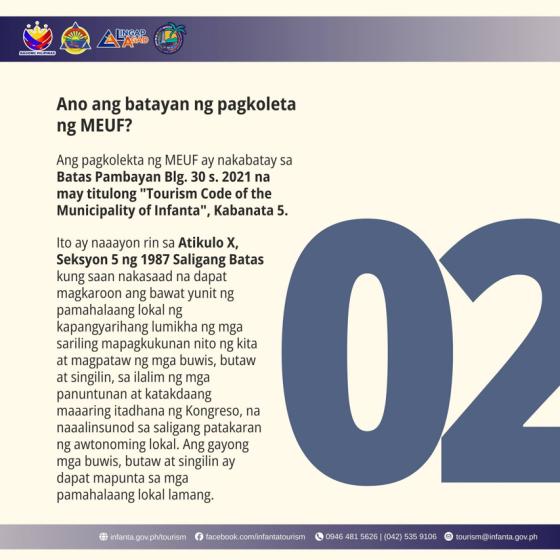
According to the tourism office, the fee is legal and is imposed under Municipal Ordinance No. 30, Series of 2021, otherwise known as the Tourism Code of the Municipality of Infanta. The ordinance states that the Municipal Environmental User’s Fee (MEUF) is charged to tourists who enter and make use of the town’s natural resources for tourism, leisure, recreational, and other enjoyment-related activities.
However, terms like “leisure,” “recreational,” and “other enjoyment-related activities” are broad enough to leave room for interpretation on the ground. To better understand who should and shouldn’t be paying the fee, we sought further clarification from Infanta’s tourism office.
The tourism office clarified that riders and motorists who are simply passing through Infanta on their way to other destinations are NOT required to pay the PHP 30 fee. The exemption likewise covers visitors dropping by for a meal, a cup of coffee, or a leisurely ride through the town’s scenic roads, including its stretch of the popular MARILAQUE route.
In other words, the fee applies only to visitors who intend to take part in nature-based activities such as trekking, swimming, camping, and other forms of outdoor recreation that make use of Infanta’s natural attractions.
Residents of Infanta are also exempt from the charge, as are business owners operating within the town even if they reside elsewhere. Children aged 10 and below are also exempt, while senior citizens, PWDs, and students are entitled to a 20% discount.
The tourism office, through an earlier social media post, explained that visitors only need to pay the fee once for the duration of their stay in Infanta. As for where the money goes, the local government says collections are earmarked for programs involving environmental protection, solid waste management, tourism development, agriculture, culture, and the arts.
Trying to avoid the fee could end up costing much more. The Infanta LGU says individuals who deliberately refuse to pay the MEUF, impersonate others, or provide false information to qualify for exemptions or discounts may face administrative charges and penalties of up to PHP 1,500.
The amount itself isn’t really the issue. For most riders, PHP 30 costs less than a decent cup of coffee. The real debate is where to draw the line between a legitimate environmental charge and just another fee imposed on travelers. That said, if the fee truly applies only to outdoor activities that make use of Infanta’s beautiful natural attractions, most riders probably won’t mind paying it. The bigger question is whether the money collected actually goes where it’s supposed to go, and not somewhere else.