MRO urges riders to match their rights with responsibility
After 20 years of advocating for motorcycle riders’ rights, Jobert Bolanos of the Motorcycle Rights Organization (MRO) says the work can be exhausting, especially when many of the people the group is fighting for, to be treated equally, are also the ones breaking traffic laws.
In a lengthy post, Bolanos said the fight for equal rights and fair treatment for motorcycle riders should go hand in hand with discipline, compliance and respect for other road users.
He said he has spent almost 20 years dealing with government agencies, local governments, law enforcement and other motorists to push for equal treatment of riders.
But after years of advocating for the community, he admitted that defending riders can become difficult when many of them openly disregard traffic rules and regulations.
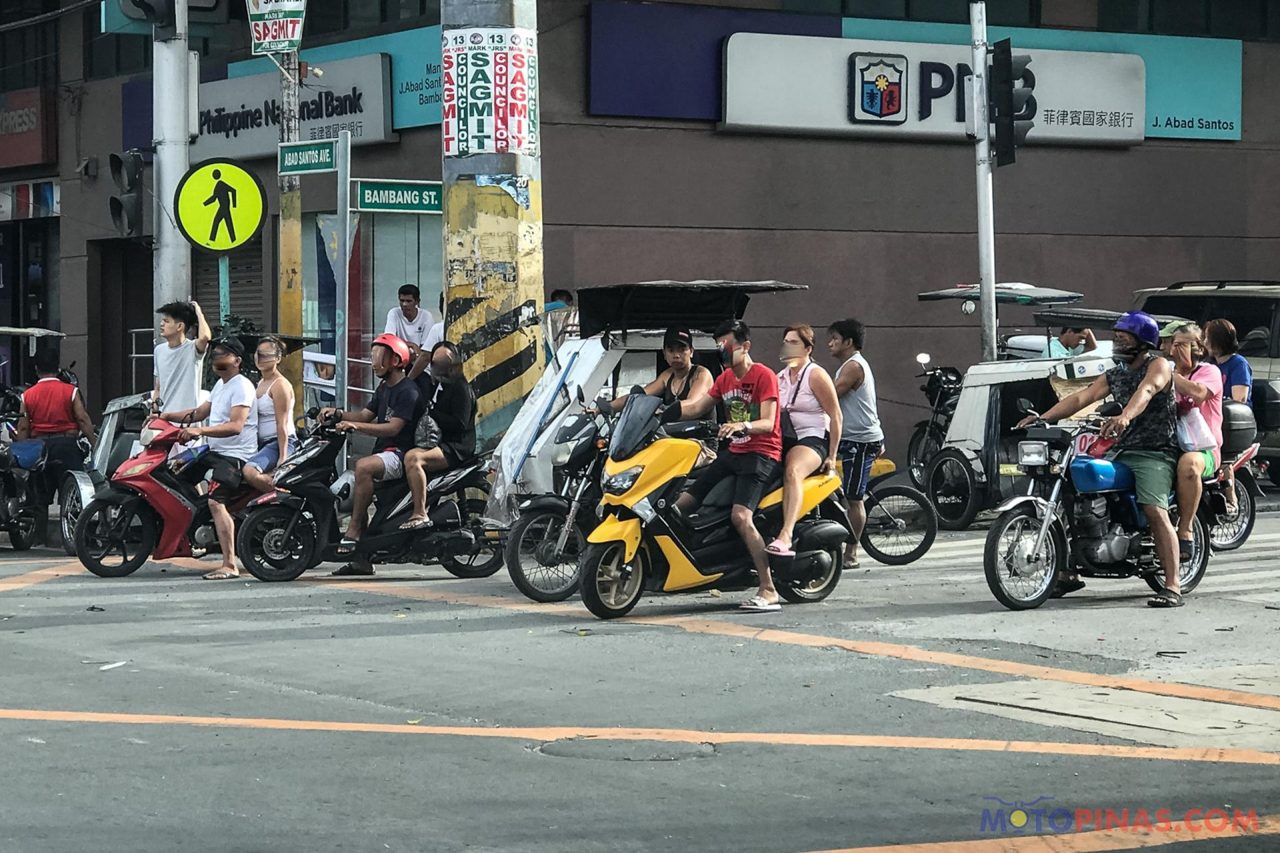
He pointed to common violations such as running red lights, counterflowing, using sidewalks, reckless overtaking and ignoring other basic road rules. He also raised concerns about motorcycle modifications, including excessively loud exhaust systems and improperly installed or non-compliant accessories.
According to Bolanos, riders cannot demand fair enforcement from authorities while dismissing violations committed by fellow riders as simply part of being a motorcycle owner.
He also made clear that his position does not mean every regulation or enforcement action should automatically be accepted.
Standards should be reasonable, regulations should be clear, and enforcement should follow proper procedures, he said. Riders who believe a policy or enforcement action is unfair should challenge it through evidence, due process and the proper channels.
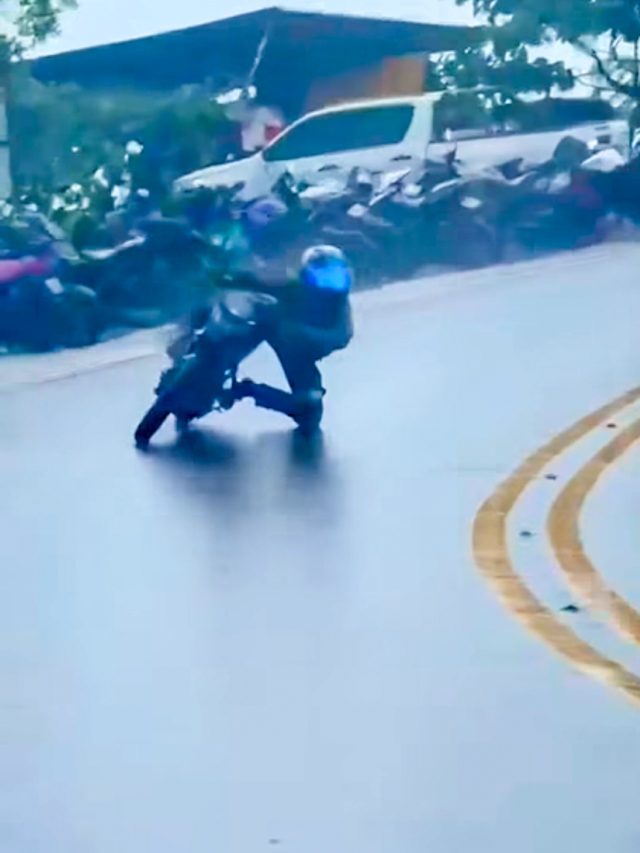
His main argument is that rider advocacy should not mean defending every rider regardless of what they do.
Rights without responsibility is not advocacy. Entitlement [na] iyon.
He also warned that the actions of some riders can affect how the entire motorcycle community is viewed.
A rider who runs a red light or uses an excessively loud exhaust, for example, may be seen by other people and road users as an example of the broader motorcycle community, reinforcing stereotypes that riders are generally undisciplined or unwilling to follow rules.
Bolanos urged riders to take a closer look at their own behavior, from traffic discipline to motorcycle modifications and compliance with existing standards.
He also encouraged riders to continue speaking out against discriminatory treatment, unreasonable regulations and improper enforcement, but to apply the same standard of accountability to their own community.
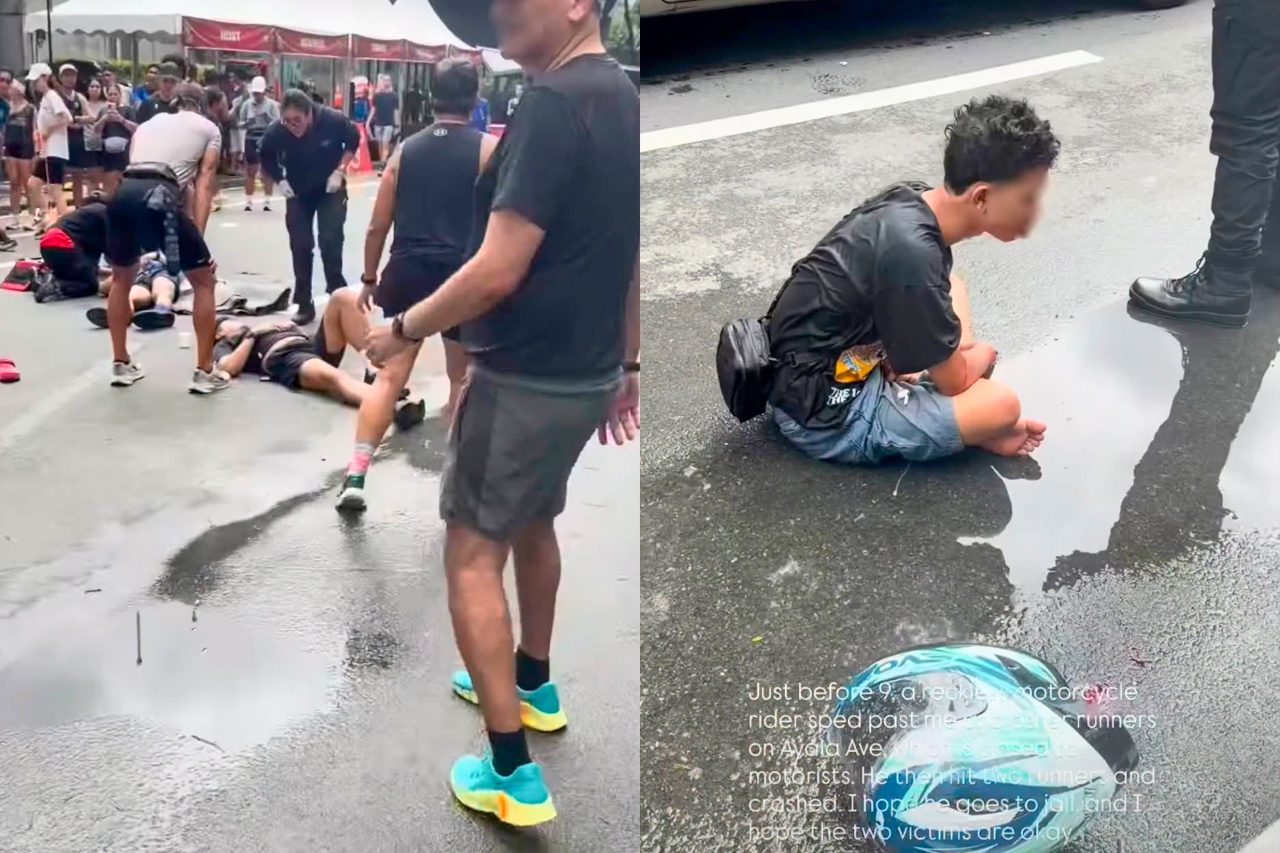
His message was a plea for riders to help strengthen the case for fair treatment by becoming more responsible road users.
If we want the government, law enforcement and other road users to respect riders, we also need to show that we deserve to be trusted on the road.
For Bolanos and the MRO, supporting riders does not mean defending everything they do. It means standing up for the rights of responsible riders while being willing to call out behavior that puts others at risk or damages the reputation of the motorcycle community.