DOTr memo 2026-001 explained
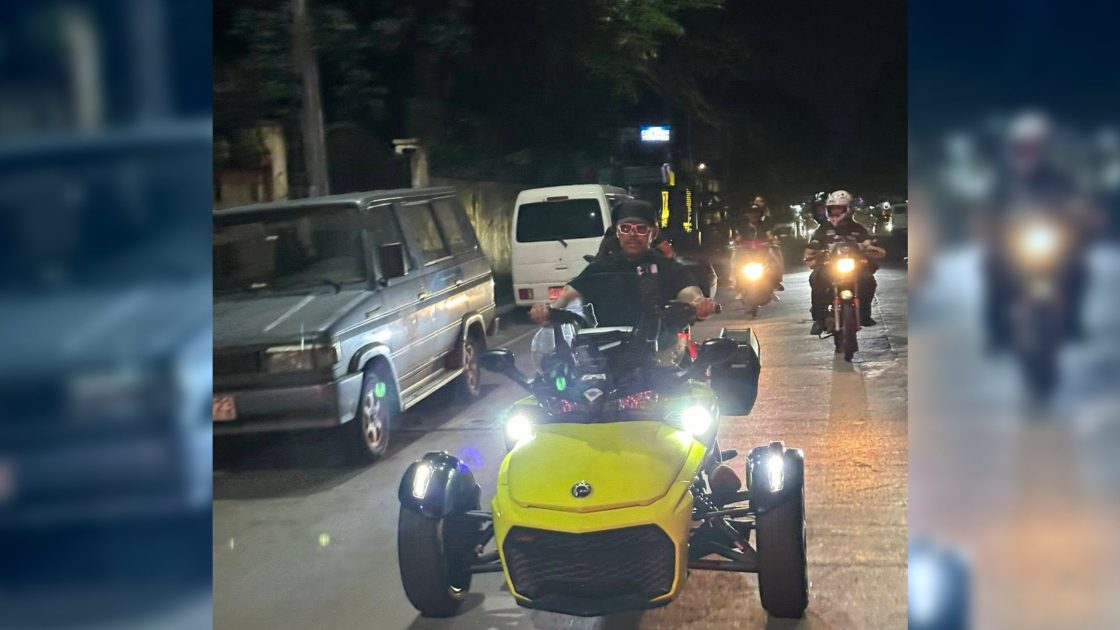
With an estimated 8.5 million registered motorcycles as of 2024, motorcyclists make up a significant portion of road users in the country. It’s no surprise, then, that when motorists line up at the Land Transportation Office (LTO) or at a city’s Traffic Management Office, a large number of those settling traffic fines and reclaiming their driver’s licenses are motorcycle riders.
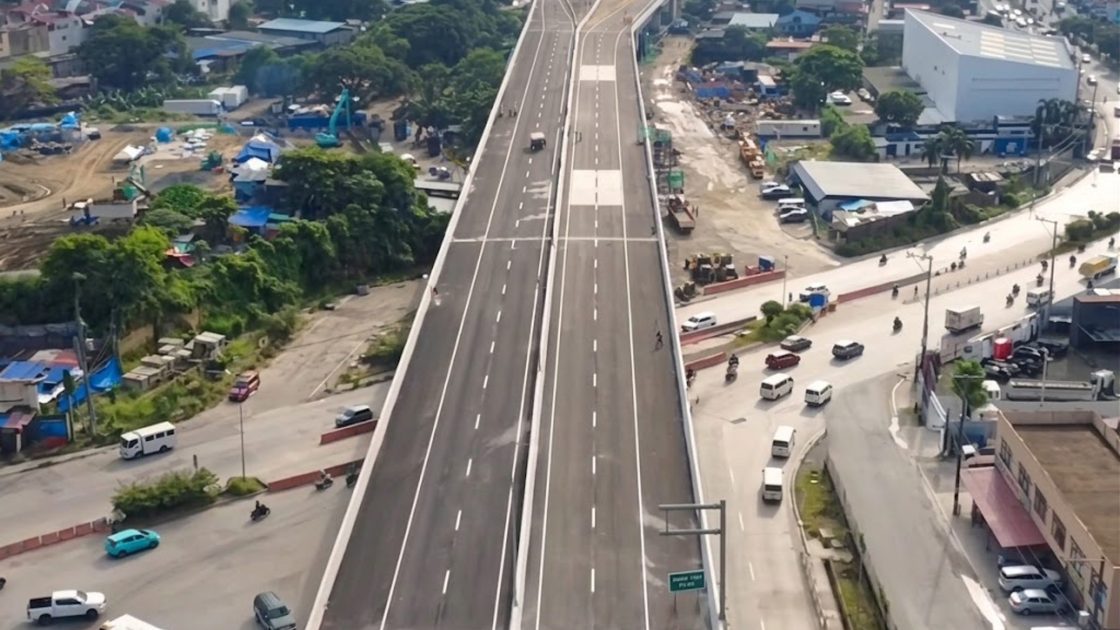
Against this backdrop came last week’s widely discussed incident involving James Deakin and the LTO, which eventually led to several rule changes. To recap, Deakin’s son was cited for a traffic violation captured on Skyway Stage 3’s CCTV. However, due to the intervening holiday period, the allotted redemption window lapsed.
The incident has since sparked a divided public response. On one side, many have expressed support for the LTO’s firm stance on enforcing traffic laws, even if you’re a celebrity’s son. On the other, the situation has highlighted longstanding concerns about the agency’s redundant, time-consuming, and outdated processes, which often translate into added inconvenience and additional monetary costs for motorists.
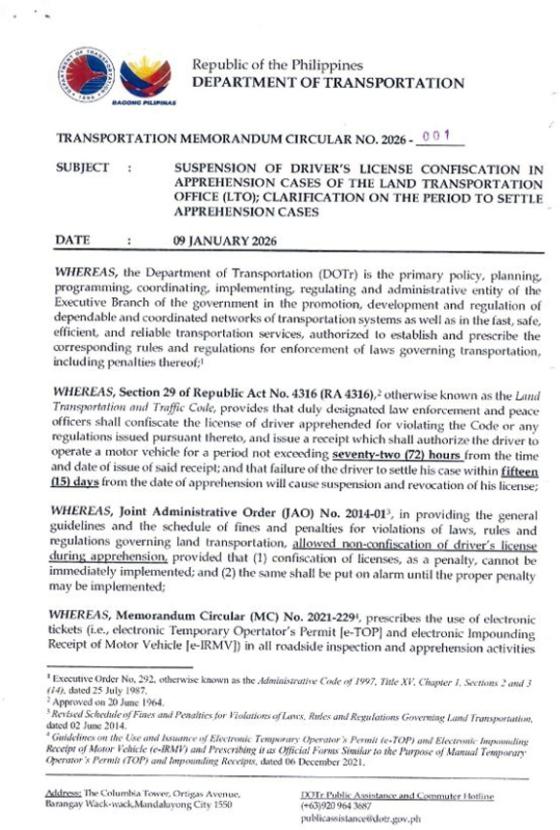
Regardless of which side you were on, something good may have ultimately come out of the fiasco, with the Department of Transportation (DOTr) stepping in to issue Memorandum Circular 2026-001. So, what exactly is this new memo signed by Transportation Secretary Giovanni Lopez and what does it mean for everyday motorists?
LTO, the one and only
First, let us establish that only the LTO and its deputized enforcers can confiscate a driver’s license for a traffic violation according to Republic Act 4136 or the Land Transportation and Traffic Code. This should have been the case since 1964, when RA 4136 was enacted. When that happens, the officer gives you a Temporary Operator’s Permit (TOP), which lets you keep driving your vehicle or motorcycle for up to 72 hours. Including the 72 hours, you have 15 calendar days to settle the violation with the LTO. This 15-day window includes weekends, holidays, and even days when work is suspended due to weather disruptions or other natural disasters.
In 2014, a new rule called Joint Administrative Order 2014-01 allowed the non-confiscation of a driver’s license if a confiscation cannot be immediately implemented at the time of apprehension. Instead, the license goes on “alarm” in the LTO system, which means you can’t renew it until all fines and/or penalties are cleared.
Then came the digital age: Memorandum Circular 2021-229 introduced the electronic TOP, or “e-ticket,” which requires license confiscation to be mandatory for all violators issued with an e-ticket. A few years later, MC 2023-2410 recognized e-Driver’s Licenses (e-DL) as a valid replacement for physical cards. This was a quick fix when the LTO ran short of plastic cards for license printing.
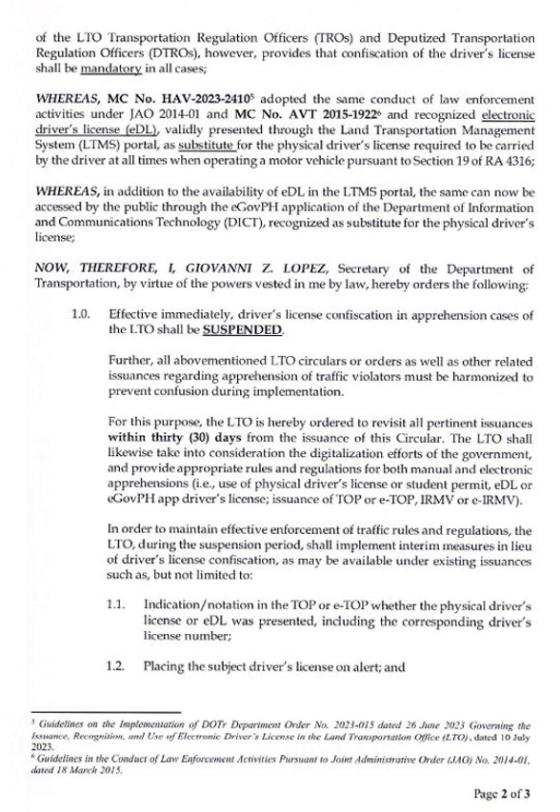
Suspension, new settlement window
As the first circular issued by the DOTr this year, Memorandum Circular 2026-001 suspends the confiscation of a driver’s license for traffic violations. This means the LTO and its deputized enforcers will not confiscate the driver’s license of erring motorists in deference to their parent department: DOTr.
Over the next 30 days, the LTO has been directed to review all relevant rules and procedures, taking into account government digitalization efforts. The keyword here is suspend. That means if the LTO (with the blessing of the DOTr) comes up with a new rule or regulation, the confiscation of driver’s licenses could resume. During this period, TOPs and e-TOPs issued to violators will indicate whether a physical or e-Driver’s License was presented, and the license will be placed on “alert” in the system.
Another major change is the settlement window. The 15-day deadline has now been replaced with 15 working days from the date of apprehension. That means weekends, holidays, and other work suspensions no longer count. In short, the clock only runs when the LTO is open. This development is certainly welcome in a country like ours, where almost anything under the sun is used as a reason for another holiday, and even work suspension.
But don’t think you can ignore it forever. If a motorist fails to settle the violation after 15 working days, the DOTr makes it clear that an automatic suspension, and possibly even revocation of the driver’s license, will be imposed, which is pretty self-explanatory.
Also, local government units (LGUs) cannot confiscate a driver’s license, regardless of what their local ordinance says. This has been clarified by the Department of Interior and Local Government (DILG) and the DOTr in 2022.