UK study links e-kick scooter brain injuries to low helmet use
For many people, an electric kick-scooter looks like one of the least intimidating vehicles on the road. It is small, relatively light, and generally slower than a motorcycle. In the Philippines, certain electric kick-scooters can also be operated without a driver’s license or registration, although the LTO limits their use to barangay roads and designated bicycle or similar lanes.
A new UK study, however, suggests that being on a smaller and generally slower personal mobility device (PMD) like an electric kick scooter doesn’t necessarily mean being safer.
A recent analysis of 15,247 two-wheeled vehicle crash victims from 18 cities in England and Wales found that electric kick-scooter riders had a significantly different injury profile from motorcyclists and cyclists. Most strikingly, the analysis found that traumatic brain injuries were more than three times as common among injured electric kick scooter riders as among injured motorcyclists, with reports putting the relative likelihood at around 3.5 times.
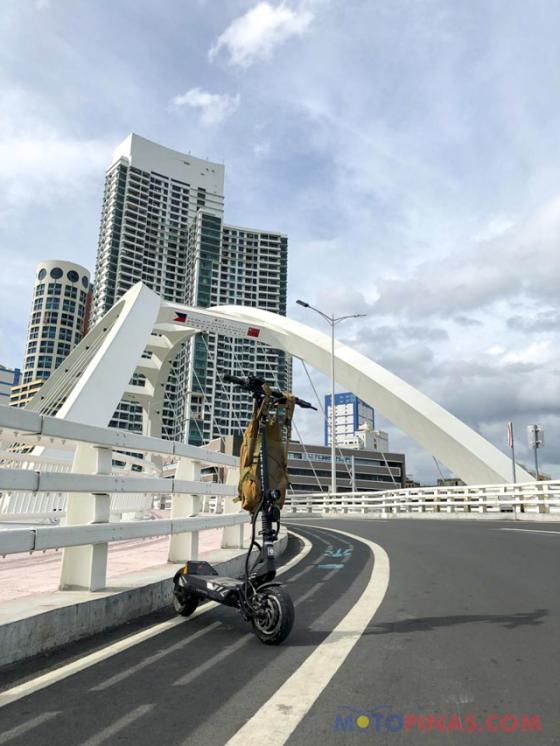
Minimotors Bluetran Lightning electric kick scooter we featured in 2022
There was another figure that stands out. Fewer than 6% of electric kick scooter riders in the study reported wearing a helmet, compared with much higher helmet-use rates among motorcyclists and cyclists.
That low helmet-use rate is particularly concerning because a kick-scooter offers very little protection when a rider goes over the handlebars. Researchers and experts also pointed to the vehicles’ small wheels, upright riding position and lack of suspension on many models as factors that can make them less forgiving when they encounter potholes, curbs and other road hazards.
And this is where the findings become interesting for us here in the Philippines. The country has seen a growing number of light electric vehicles (LEVs) on its roads, including e-bikes, e-trikes and electric kick-scooters. In Metro Manila, the Metropolitan Manila Development Authority (MMDA) recorded 907 road crashes involving e-bikes, e-trikes and e-scooters in 2023, up from 309 in 2019. That’s nearly three times as many incidents in four years.
There is an important caveat, though, as the MMDA figure combines three types of vehicles, so it cannot be directly compared with the UK study, which specifically analyzed electric kick-scooters, motorcycles and pedal bicycles. Still, the Philippine numbers show that crashes involving LEVs have also become a growing road-safety concern.
The UK findings also don’t mean that electric kick-scooters are inherently more dangerous than motorcycles. The researchers were examining injury patterns among people who had already been involved in crashes, rather than calculating the overall probability of crashing or getting injured per rider, trip or kilometer.
But when it comes to helmets, the point is pretty simple, as being on a smaller or slower vehicle doesn’t make your head any less vulnerable when you hit the pavement. Neither does taking a short trip, even if it’s just a kilometer or two away.
And with more Pinoys turning to electric two-wheelers as an alternative to increasingly difficult daily commutes and unreliable public transportation, perhaps it’s time to treat the helmet as essential safety equipment, instead of just something you wear only when the law says you have to.