Thailand to invest USD 714 million in EV motorcycle taxis. Should the Philippines follow?
Here in the Philippines, it’s fair to say that the country’s EV infrastructure is still in its early stages. Charging stations are becoming more common, but they’re still concentrated in major cities, making long-distance travel a concern for many drivers. The situation is even more challenging for electric motorcycles and scooters, with battery-swapping infrastructure still practically nonexistent. Add the country’s recurring power supply issues, and it’s easy to understand why many riders remain hesitant to make the switch.
Over in neighboring Thailand, however, the government is looking at ways to make that transition easier, particularly for motorcycle taxi riders.
Thai officials are reviewing a THB 24-billion (around USD 714 million or approximately PHP 44 billion) incentive package that aims to replace up to 80,000 aging commercial vehicles with electric ones. The proposal covers motorcycle taxis, as well as taxis, tuk-tuks, buses, and trucks.
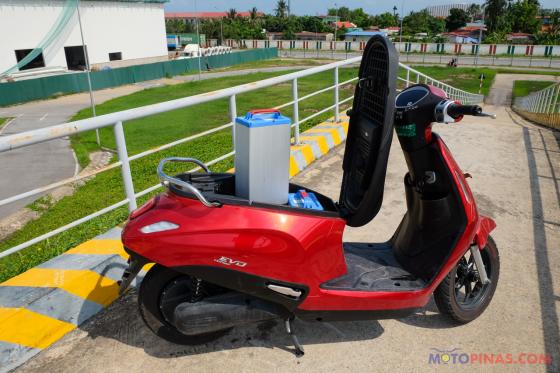
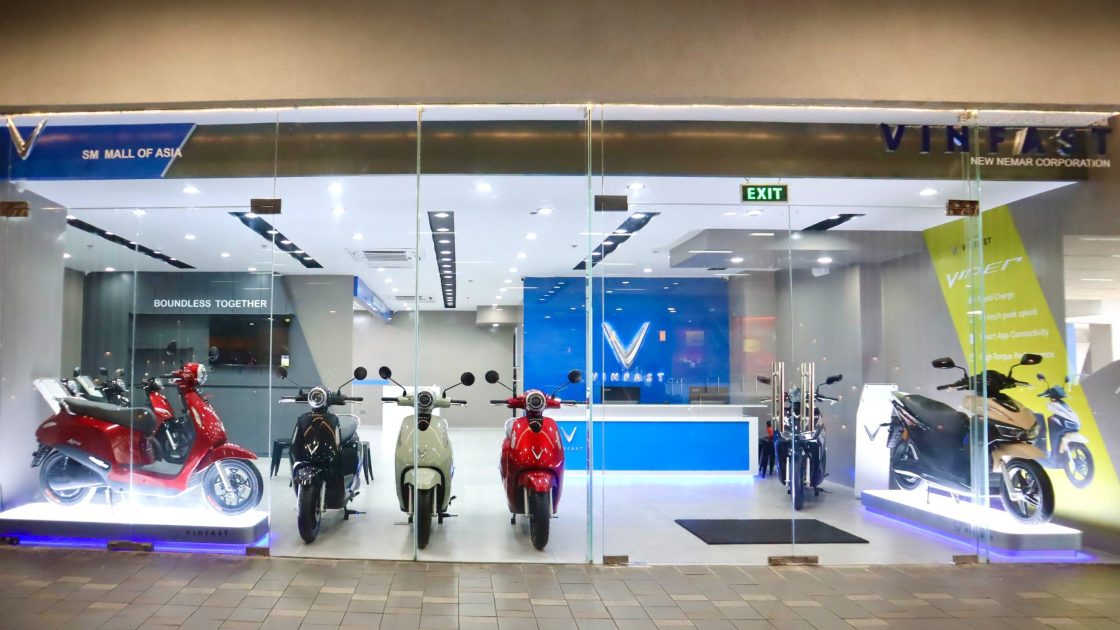
VinFast EVO electric scooter with battery-swapping technology
According to Thailand’s Deputy Transport Minister, Siripong Angkasakulkiat, the proposal is still being finalized. The incentives could come in the form of purchase subsidies, low-interest loans, or tax breaks. The government is also studying the possibility of expanding the program beyond commercial vehicles to include private EV buyers.
The initiative is expected to serve two goals. Aside from helping reduce emissions and supporting Thailand’s shift toward cleaner transportation, it is also intended to give the country’s automotive industry a much-needed boost after domestic vehicle sales fell to a 15-year low.
For motorcycle taxi riders, the proposal could make switching from gasoline-powered motorcycles to electric ones much easier. Government incentives, combined with lower operating and maintenance costs, could help offset the higher upfront price of an EV, especially for riders who spend most of their day on the road.
Industry groups in Thailand are also lobbying for the incentives to prioritize locally built EVs. They argue that doing so would strengthen domestic manufacturing, create jobs, and further develop the country’s EV sector. Several groups have likewise urged the government to place greater focus on electric motorcycles and public transport vehicles because of their potential to reduce emissions in urban areas.
No final decision has been made yet, with discussions expected to continue over the next month.
For us here in the Philippines, it’s a development worth keeping an eye on. We already have a growing motorcycle taxi industry, but EV adoption remains relatively slow. If Thailand successfully rolls out incentives for electric motorcycle taxis (and EVs in general), it could offer a practical blueprint for how our government can encourage the shift to cleaner mobility without expecting motorists to shoulder the entire cost themselves.