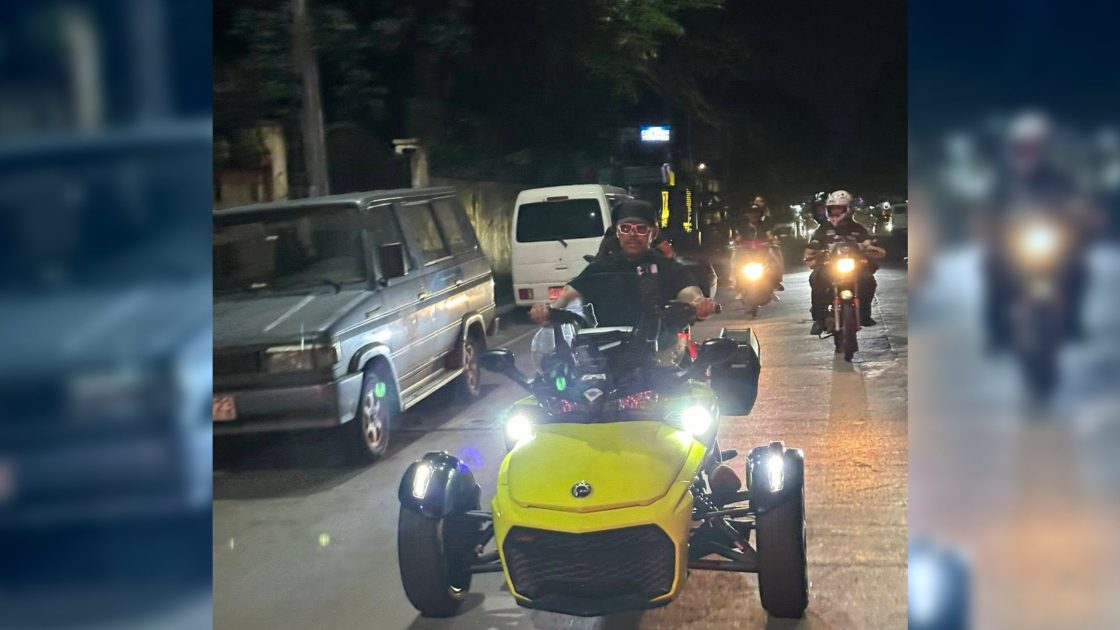
Gasoline-powered motorcycles ban in Hanoi to curb pollution, but thousands at risk of losing their jobs
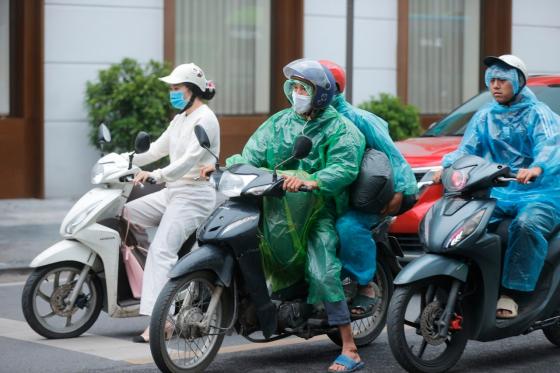
Vietnam ranks among the world’s top countries with the highest motorcycle population, boasting an estimated 77 million registered units as of 2024. However, this massive number of two-wheelers has also been cited as a major contributor to air pollution in the country’s key urban centers, where motorcycles remain the primary mode of transport for millions of commuters.
That said, Vietnam’s Prime Minister, Pham Minh Chinh, issued Directive No. 20 in July, which mandates that by July 2026, all gasoline-fed motorcycles will be prohibited from operating within Hanoi’s Ring Road 1, the major route encircling the capital. Many observers see this move as a precursor to a broader nationwide phaseout of fossil fuel-powered motorcycles in the years ahead, with the country aiming for a 30% electric only cars and 22% electric only motorcycles by 2030.
‘Big 4’ deeply concerned
With the looming ban on gasoline-powered motorcycles in Hanoi, Japan’s “Big Four” manufacturers—Honda, Yamaha, Suzuki, and Kawasaki—are expected to take a major hit. The industry has voiced growing concern that the directive could lead to mass layoffs, factory closures, and even potential bankruptcies if the transition to electric mobility is not properly managed.
Japan’s embassy in Hanoi has warned that Vietnam’s sudden ban on gasoline motorcycles could devastate distributors and parts suppliers. A report revealed the embassy urged a phased roadmap toward electrification, while Japan’s top motorcycle makers cautioned in July that an abrupt ban could trigger bankruptcies and production disruptions. Industry groups estimate nearly 2,000 dealerships, 200 suppliers, and hundreds of thousands of jobs could be affected, calling for a two to three-year transition to update production, charging networks, and safety standards.