Splendor+ Flex Fuel now available in India and it might be good for the PH
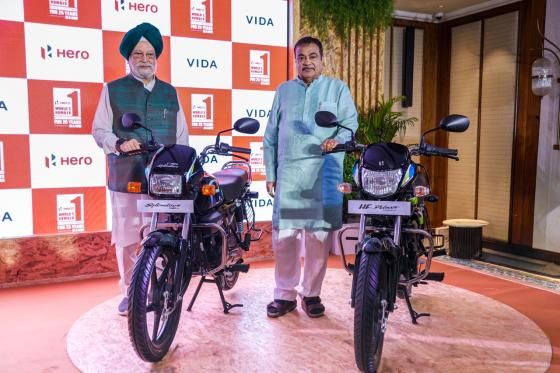
While much of the world is focused on battery-powered mobility, Hero MotoCorp has taken a different route with the launch of the new Splendor+ Flex Fuel and HF Deluxe Flex Fuel in India. The commuter motorcycles are capable of running on ethanol-gasoline blends of up to E85 (85% ethanol, 15% gasoline), making them among the first mass-market motorcycles designed for high-ethanol fuel use in the country.
Mechanically, the Splendor remains familiar. It uses Hero’s proven 97.2cc air-cooled single-cylinder engine, but with modifications to the fuel system and engine management to accommodate higher ethanol blends. In essence, Hero did not reinvent the motorcycle. It simply adapted one of India’s most popular commuter bikes to run on a fuel that can be produced locally from agricultural crops such as sugarcane.
That raises an interesting question for the Philippines: could a flex-fuel motorcycle be more practical for the average Filipino than a battery-powered one?
Electric vehicles continue to gain traction locally, but electric motorcycles remain a niche product. I’m talking about real e-motorcycles such as the ZEEHO AE8, or BMW’s CE 02 and CE 04, which run like real motorcycles minus the emissions, not those little e-bikes.
The reality today is that these e-scooters/motorcycles are expensive, charging infrastructure remains mostly to home charging only, electricity prices are high, and the country still depends heavily on imported batteries and other critical components.
Gogoro tried to solve issues by offering its e-scooters and the battery swapping ecosystem that comes with it, but forgot that the people who would actually buy their offerings are Juan dela Cruzes, who live paycheck to paycheck, and not someone who has the wallet to buy an expensive SUV.
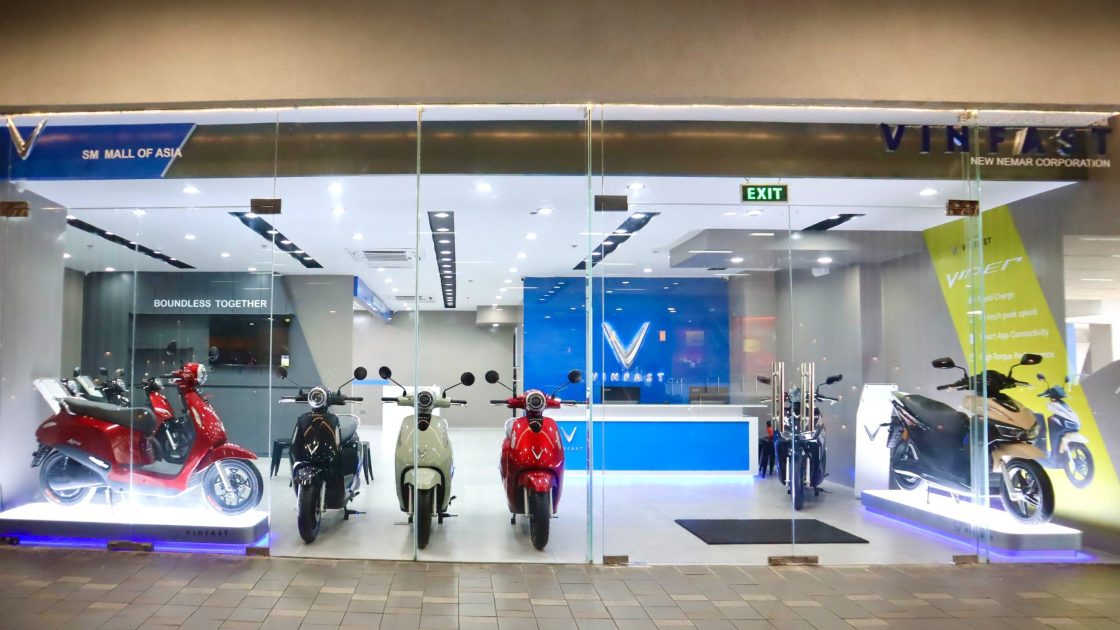
VinFast has promised solutions through its upcoming affordable e-scooters and battery-swapping ecosystem, but that remains to be seen.
Ethanol, on the other hand, is already part of the Philippine fuel mix. Under the Biofuels Act, gasoline sold locally contains ethanol blended primarily from sugarcane. The country already has a bioethanol industry in its sugarcane-growing regions. However, domestic production still falls short of demand. If flex-fuel motorcycles like the Splendor gain traction, it could encourage further investment in local ethanol production, benefiting both agriculture and energy security.
Think about it. Pinoys could benefit from a fuel that is up to 85% locally produced, translating to reduced dependence on imported petroleum. Unlike electrification, it doesn’t require riders to change their habits, buy expensive batteries, or wait for a nationwide charging network to be built. It’s essentially the same motorcycle people already know, but running on a fuel that can support local agriculture and improve energy security.
For an agricultural country like the Philippines, that sounds like a conversation worth having alongside electrification.