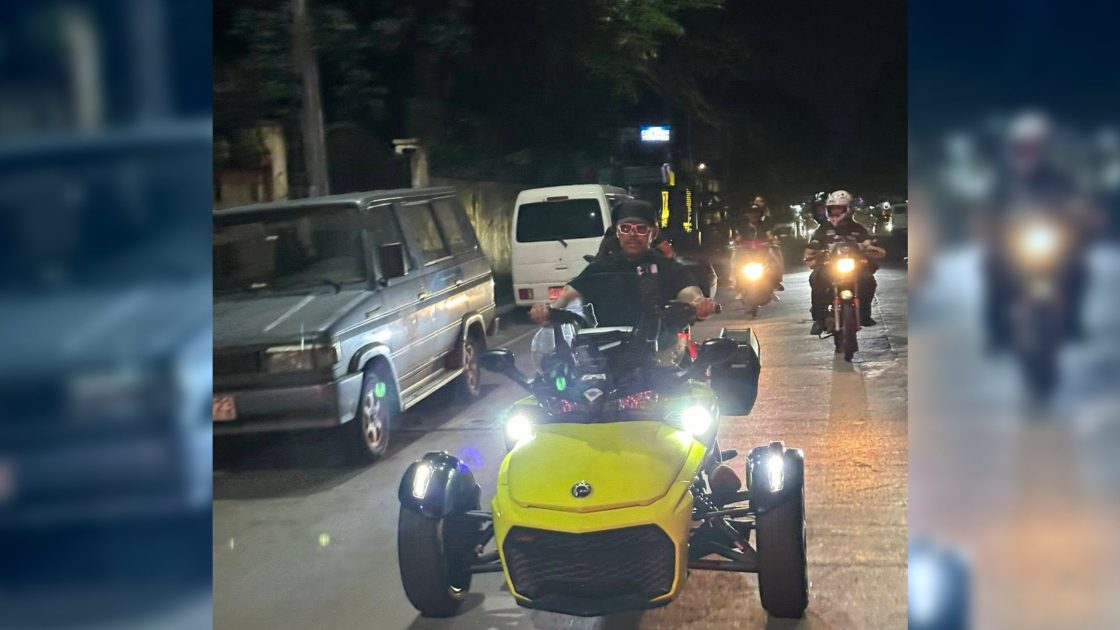
LTO E.D. Atty. Greg Pua says the agency is in favor of e-bike registration
E-bike sales in the Philippines have surged in recent years, mainly because they cost much less to operate than conventional motorcycles or small vehicles powered by internal combustion engines. Locally, the term “e-bike” broadly refers to a range of compact electric vehicles, whether two-, three-, or four-wheeled. Their growing popularity is also fueled by lenient ownership and usage policies, allowing many Filipinos to ride them freely and conveniently across city streets and rural roads alike.
However, the absence of stricter oversight by authorities has led to growing road safety concerns. It’s now common to see e-bikes being ridden by minors or by untrained individuals who disregard even the basic traffic rules like counterflowing on busy roads, blocking lanes, or cruising carelessly along major highways.
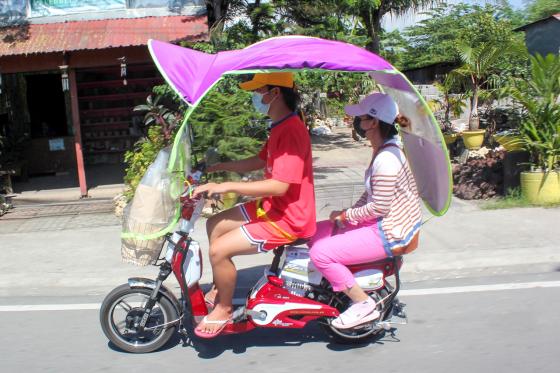
Even more concerning, many of these e-bikes are being used as public utility vehicles (PUVs) in many parts of the country, often without proper registration, licenses, or permits.
The motoring public has had enough, with many taking to social media to call for stricter regulations on e-bikes. The Land Transportation Office (LTO) has echoed these sentiments, expressing support for the registration of e-bikes and for treating them as motorized vehicles under existing traffic laws.
“For me, it should be registered. Ang kailangan lang natin alamin, kasi ang importante lang naman kay LTO [ay] meron unique identification—yung body, ang isang electric vehicle. May chassis, may unique motor [number]. Pwedeng lagyan ng plate number,” said LTO Executive Director, Atty. Greg Pua, Jr. via an interview by ABS-CBN.
(For me, it should be registered. What we just need to determine—because what’s important for the LTO—is that the electric vehicle has a unique identification. It should have a chassis and a unique motor number, so that it can be assigned a plate number.)
Although the LTO has signaled its willingness to classify and register e-bikes like other motor vehicles under Republic Act 4136, it is still awaiting an official directive from the Department of Transportation (DOTr) to begin enforcing specific rules for these small electric units.