Cost cutting is priority at KTM, says Bajaj
KTM’s history is undeniably rich and complex, having passed through the hands of several owners over the decades. Today, the iconic Austrian motorcycle brand finds itself under majority ownership by Bajaj Auto, one of India’s largest and most influential motorcycle manufacturers.
However, the new masters from India are far from pleased with what they’ve uncovered. According to reports, Bajaj executives view KTM’s excessive spending habits as one of several factors behind the company’s current financial strain. Determined to bring the brand back to stability, Bajaj has issued a clear and urgent directive: reduce operating costs by 50% — and do it now.
This could mean a major shift in KTM’s management philosophy, signaling a transition from the Austrians’ aggressive, high-spending approach to Bajaj’s more disciplined and efficiency-driven strategy aimed at restoring profitability and long-term sustainability.
Speaking in recent interviews, Rajiv Bajaj, managing director of Bajaj Auto, said that the restructuring would target reductions across research and development, marketing, operations, and administrative overheads. He noted that of KTM’s roughly 4,000 employees, only about 1,000 were involved in actual production, saying what he called an “imbalanced and unsustainable structure.”
“We have observed a clear opportunity to reduce overhead by more than 50%,” Bajaj explained, adding that the company’s revival depends on a return to operational discipline and value creation rather than “valuation chasing.”
Bajaj further criticized the brand’s former leadership, attributing KTM’s financial challenges to what he described as three forms of corporate greed: operational, strategic, and governance-related. He said these factors led to inflated costs, risky expansion moves, and an erosion of accountability across management levels.
The restructuring comes as Bajaj Auto moves closer to taking majority control of KTM’s parent company, Pierer Mobility AG, solidifying its influence over the iconic European motorcycle manufacturer.
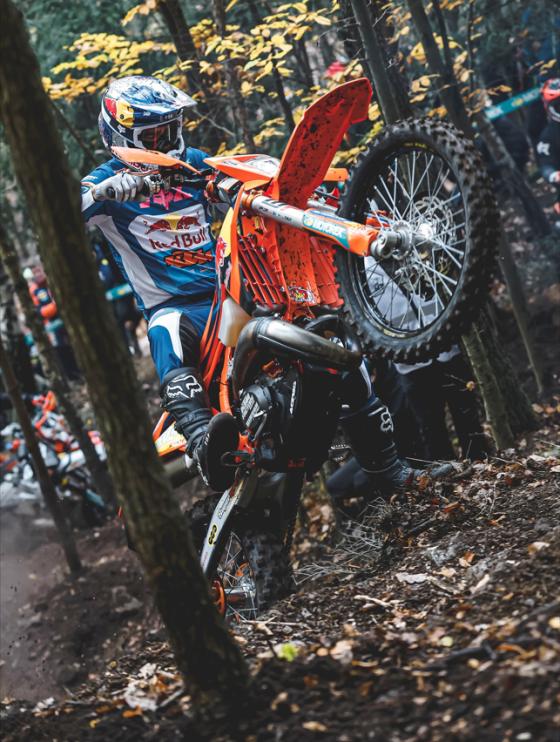
While the move is expected to streamline operations, it could also impact KTM’s motorsport activities, with reports suggesting potential cutbacks in racing budgets as part of the cost-saving drive.