NCAP back but with limited scope
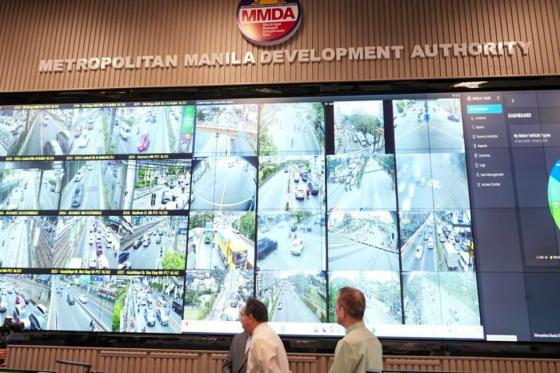
Back in 2022, the Supreme Court (SC) issued a Temporary Restraining Order (TRO) vs the No Contact Apprehension Program (NCAP), effectively stopping CCTV-based traffic management and apprehension among various local government units, the MMDA, and within the expressways.
The NCAP is set to make a comeback after the SC granted an Urgent Motion from the MMDA.
The partial lifting of the restraining order, as confirmed by Solicitor General Menardo Guevarra, represents a key development in the government’s campaign to alleviate traffic congestion and combat corruption within traffic enforcement, especially in the upcoming EDSA rehab in June.
In the government’s petition, Guevarra asserted that “the right to use vehicles on public roads is a privilege,” and that “privilege comes not only with a duty to ensure the safety of pedestrians and travelers, but also with our collective obligation to ensure that our roads continue to serve the ends of our national economy and benefit every one of us.”
Speaking to the justices, Solicitor General Menardo Guevarra also stated that through the NCAP, the government had established a mechanism to manage traffic and hold accountable those who abuse their privilege to use public roads.
He further conveyed the government’s plea to the Supreme Court, urging it to find the NCAP to be in accordance with the nation’s laws.
With the partial lifting of the TRO on NCAP, the no-contact policy will be reinstated, says the MMDA, “along EDSA and other major thoroughfares.”